

Green Power for Environmental Services, led by entrepreneur Ahmed Hanafi, is working to establish a business model that goes beyond just collecting and recycling waste. They're transforming parts of this waste into usable industrial products, especially Refuse Derived Fuel (RDF). At the same time, they're producing organic fertilizer and manufacturing processing equipment and lines locally. This model is becoming even more important as industrial demand for alternative fuels grows, particularly from cement factories. This demand has pushed the company to plan for increased production by 2026. Their operational experience is built on projects in Edko, El Khanka, and Mashtoul El Souk, along with partnerships with local and international companies and entities.
Tags
Related editorial
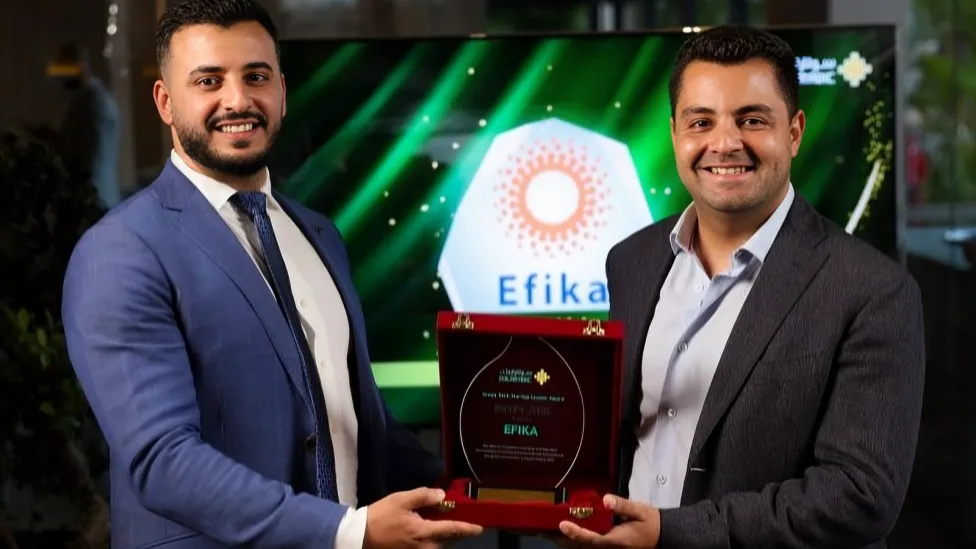
EFIKA Shines: Egyptian Startup Named GreenTech Leader for Solar Energy Operations
EFIKA, an Egyptian company specializing in operating and maintaining solar power systems, has been recognized as a GreenTech Startup Leader in Egypt. With over five years of experience, EFIKA currently manages a portfolio of solar assets totaling more than 65 MWp, playing a key role in Egypt's renewable energy future.
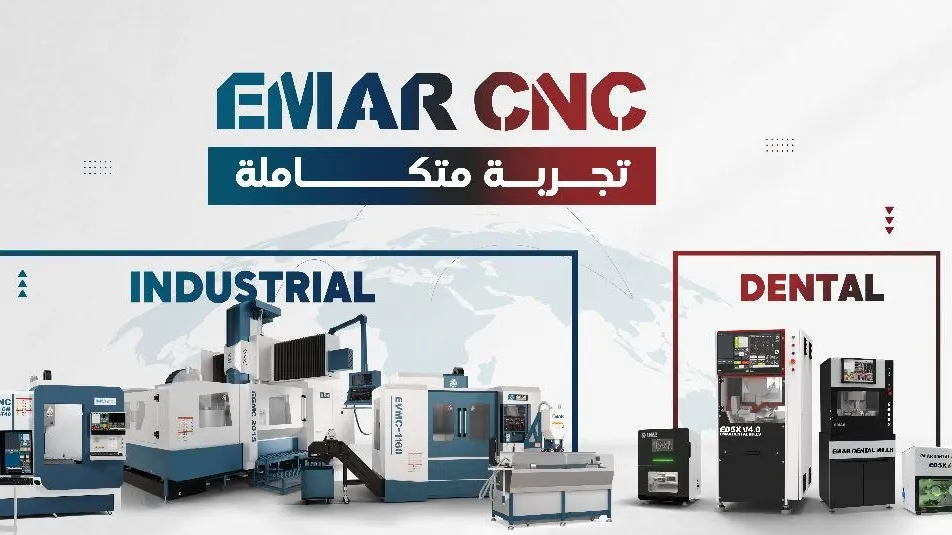
EMAR CNC: Your Go-To for Integrated Manufacturing and Automation Solutions
EMAR CNC is making waves by designing and building advanced CNC machines, automation systems, and robotics. They're all about creating custom engineering solutions to tackle diverse challenges across industrial and even non-industrial sectors, helping businesses thrive with cutting-edge technology.

Venduo's Digital Marketplace: Connecting Fashion Brands to Factories and Streamlining Production
Venduo is making fashion manufacturing simpler! Their digital platform connects fashion brands with factories, letting them easily compare production offers, figure out costs, and keep an eye on their orders. They've already built a network of 1500 factories across 8 markets.
Talaqi: A New Digital Platform Connecting Scientific Research and Industry
Talaqi is a new digital platform designed to close the gap between academic research and what the industrial sector really needs. It does this by guiding scientific studies to focus on the actual problems and challenges that businesses and factories face every day.