
Tagaddod is on a mission to redefine the economic value of waste. They do this by transforming used cooking oil and other renewable raw materials from hard-to-dispose-of waste into highly sought-after inputs for the biofuel and Sustainable Aviation Fuel (SAF) industries. The company was founded in Egypt in 2013. Since then, it has developed a business model that combines on-the-ground collection operations with technology, data, logistics, and international trade. This has allowed Tagaddod to gradually evolve from a local waste management activity into a platform operating in over 19 countries, according to their official data. This transformation reflects a broader shift in the waste market. Value is no longer just about disposal or recycling; it's now about the ability to provide traceable raw materials for low-carbon energy industries. Tagaddod positions itself precisely in this loop. They collect used cooking oil from homes, restaurants, hotels, and cafes, and also work with local traders. Then, they organize collection, storage, and trade operations according to strict sustainability and traceability standards.
Technology Reshapes the Waste Collection Economy
A crucial aspect of Tagaddod's model is that technology has become a fundamental part of its operational structure, not just a supporting tool. The company relies on data, technology, and logistics to manage its network for collecting renewable raw materials. This helps them improve efficiency, quality, and traceability across all stages of the supply chain. This model gives the company the ability to organize a market that is traditionally fragmented, especially since collecting used cooking oil depends on a wide network of households, commercial establishments, and traders. By digitizing collection operations and linking them to logistics and trade, a material that was once an environmental burden becomes a tradable asset within a global value chain. Tagaddod collects renewable raw materials from homes, the HoReCa sector (Hotels, Restaurants, Cafes), and local traders. Their purchasing, collection, and trading operations extend to over 19 countries. This shows the company's transition from a simple "waste collector" model to a more complex one that relies on managing an international supply chain.Funding Supports the Shift to the Biofuel Market
The company's expansion coincided with renewable raw materials becoming a strategic component in the growth of the biofuel and Sustainable Aviation Fuel industries. This was clearly demonstrated when Tagaddod closed a Series A funding round of $26.3 million in September 2025. The round was led by The Arab Energy Fund (TAEF), with participation from FMO, VKAV, and A15. These investments aim to support regional growth and expand global biofuel supplies, focusing on providing traceable and sustainable renewable raw materials, including used cooking oil, acid oils, and animal fats. This funding round is significant beyond traditional startup financing. It indicates that specialized energy and development investors are interested in a model focused on securing raw materials for an industry with increasing global demand. Thus, Tagaddod's ability to collect larger quantities with stable quality, and to prove their source and sustainability, becomes a key factor in its competitiveness, not just the volume of its collection operations. The company's presence in Europe is also an important element of this model. They have an entity in the Netherlands and an operational address in the Rotterdam area, which supports their connection to European markets and trade chains related to raw materials and renewable fuels.Sustainability Becomes a Commercial Asset
Tagaddod doesn't treat sustainability as a separate activity from its business model; instead, it sees it as an integral part of the commercial value of the materials it collects. The company emphasizes its commitment to international standards and holds sustainability and traceability certifications, including ISCC and INS. This ensures that the raw materials they collect can enter supply chains that require proof of origin and sustainability. The company publishes carbon footprint reports for 2022 and 2023. It also states that its ESG reports are based on GRI and SASB standards and align with the Sustainable Development Goals, in addition to a B Impact assessment supported by B Lab. The impact extends beyond the environmental aspect. Tagaddod states that its model contributes to empowering thousands of waste collectors and small businesses to secure stable income sources, thereby linking waste recycling with expanding the base of economic beneficiaries. The company participated in COP27 in Sharm El Sheikh in 2022, where it showcased its model of collecting, aggregating, and tracing used cooking oil as a raw material for the biofuel and Sustainable Aviation Fuel industries. It also highlighted the connection between waste-to-energy solutions and the goals of transitioning to a low-carbon economy. Noor El Assal, Tagaddod's founder and CEO, has been instrumental in leading this transformation. She guided the company from a model focused on collecting used cooking oil to building a broader platform for renewable raw materials, leveraging technology and logistics to reach international markets. Looking at the company's trajectory, the next challenge isn't just about increasing the volume of oil it collects. It's also about maintaining the quality and traceability of raw materials, expanding its supplier network, and achieving greater efficiency in collection and trade operations, all while expanding geographically. With new funding now part of its plan, Tagaddod seems poised to transform its expertise in the used cooking oil market into a regional platform for securing the raw materials needed by the global renewable fuel ecosystem. In their model, waste isn't the end of a consumption cycle, but rather the starting point for a new value chain in the energy sector.Related editorial

Four Egyptian Entrepreneurs Advance to Africa's Business Heroes Semi-Finals
Four talented Egyptian entrepreneurs have made it to the semi-finals of Africa's Business Heroes competition. They represent a diverse range of innovative sectors, from industrial and agricultural technology to climate and health tech, showcasing Egypt's vibrant startup scene.
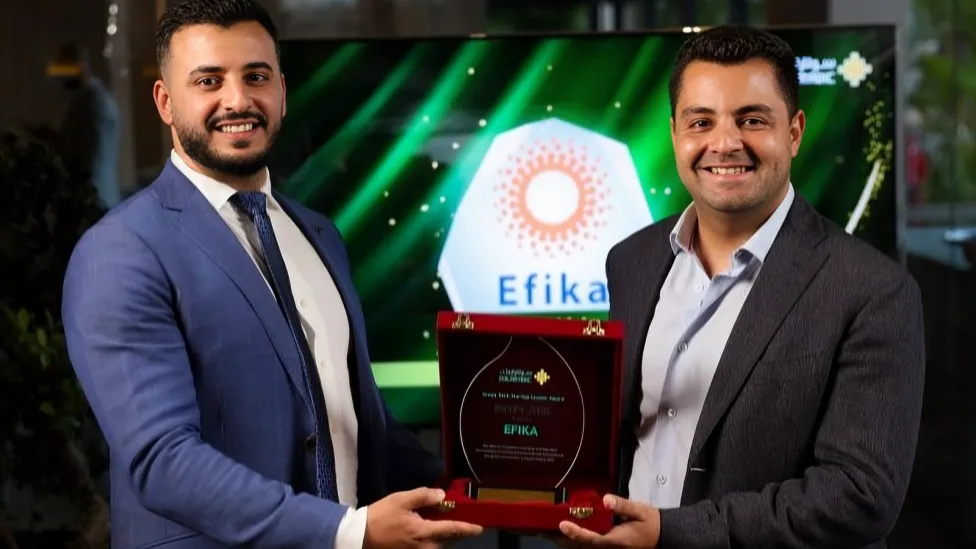
EFIKA Shines: Egyptian Startup Named GreenTech Leader for Solar Energy Operations
EFIKA, an Egyptian company specializing in operating and maintaining solar power systems, has been recognized as a GreenTech Startup Leader in Egypt. With over five years of experience, EFIKA currently manages a portfolio of solar assets totaling more than 65 MWp, playing a key role in Egypt's renewable energy future.
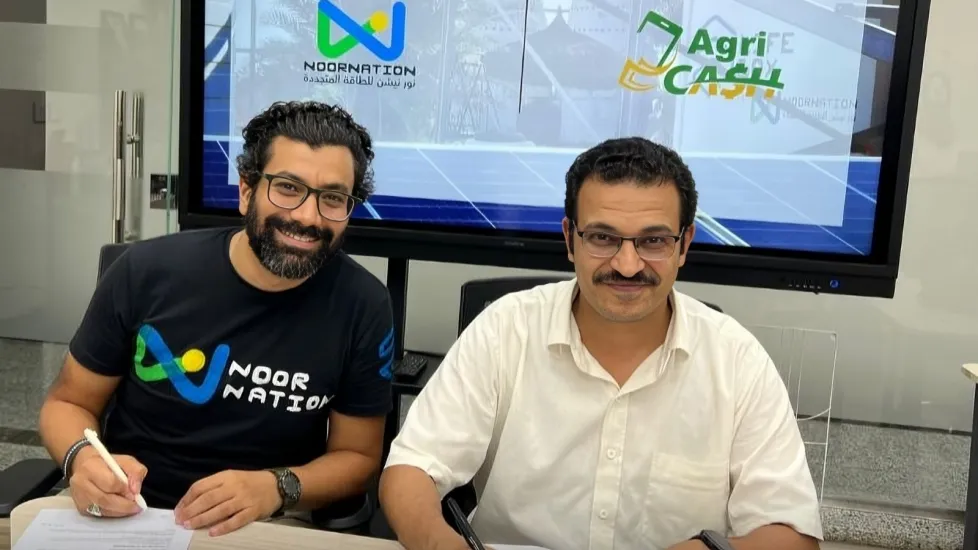
NoorNation and AgriCash Team Up to Bring Solar Power and Smart Financing to Farmers
AgriCash, known for its agricultural financing expertise, is partnering with NoorNation, a leader in clean technology and decentralized energy solutions. This exciting collaboration aims to make renewable energy more accessible to farmers and agricultural communities, helping them adopt sustainable practices and modern tools through flexible payment options.

Aqualima Highlights Sustainable Water and Clean Energy Solutions at Startup Showcase
Aqualima offers integrated solutions for water treatment and solar energy, aiming to boost resource efficiency and cut operational costs. The company is expanding its reach in the WaterTech and CleanTech markets both locally and regionally.