
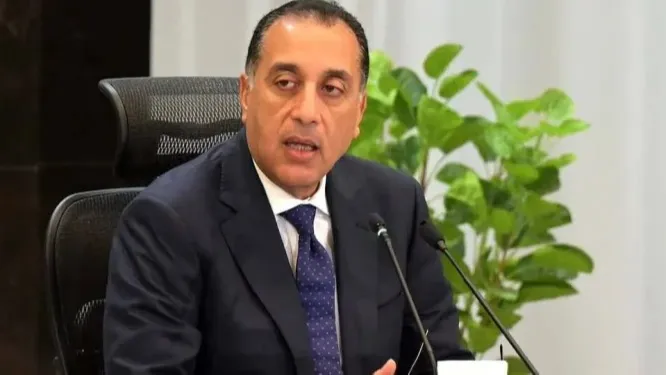
The data from the Unified Government Complaints System reveals that the quality of telecommunications services continues to be a significant concern for citizens. In July, the sector recorded 6,754 complaints, requests, and inquiries. This raises questions about how well the increasing investments in infrastructure and telecom networks are actually improving the service for end-users. According to the monthly report from the System, which is part of the Cabinet of Ministers, telecom sector complaints were directed to the Ministry of Communications and Information Technology and its affiliated bodies for examination and necessary action. The report also noted that the root causes of most of these complaints were addressed. These telecom complaints were part of a larger total of approximately 229,000 complaints, requests, and inquiries received by the Government Complaints System in July. About 192,000 of these, or 84% of all received cases, were forwarded to the relevant authorities. Telecom complaints are especially important because people rely so heavily on mobile and internet services for daily use. At the same time, the sector is becoming a key part of how government and economic services are delivered digitally. So, thousands of complaints every month aren't just about technical service quality; they also highlight how quickly problems are addressed and how well service providers and relevant authorities can fix the underlying issues for good. The report showed that the Ministry of Communications and Information Technology was among nine ministries that handled about 90% of all complaints, requests, and inquiries directed to ministries in July. This places the telecom sector's issues squarely among the government matters that see significant citizen interaction through the complaints system. These indicators reveal a more complex situation in the telecom sector. Increased spending on infrastructure, expanding mobile and internet networks, and preparing for 5G applications aren't just measured by investment size or coverage rates. They're also measured by how well users get stable service and how quickly faults and problems are fixed when they pop up. As significant investments continue to pour into developing telecom infrastructure, how complaints are handled becomes a crucial indicator. It helps us measure the gap between network development on one hand and the user experience on the other, especially as we rely more and more on digital services for daily life, government transactions, and economic activities.
Related editorial

Egypt's Labor Ministry Goes Digital for Faster Foreign Work Permits
Egypt's Ministry of Labor is getting ready to launch a brand new digital system for foreign work permits. This exciting initiative will bring together a single online platform, a dedicated service center, and electronic connections with other government bodies, all designed to make the permit process much faster and smoother for everyone.

Egyptian Entrepreneur Uncovers Shocking Mobile Line Fraud, Sparking Telecom Probe
Egyptian entrepreneur Mohamed Aboul Naga shared a shocking story about a mobile line registered under his mother's name without their knowledge, leading to massive, unauthorized bills. He had to pay a significant amount to close the line. This incident highlights a bigger problem, and now Egypt's telecom regulator has referred major mobile companies for investigation into similar complaints.
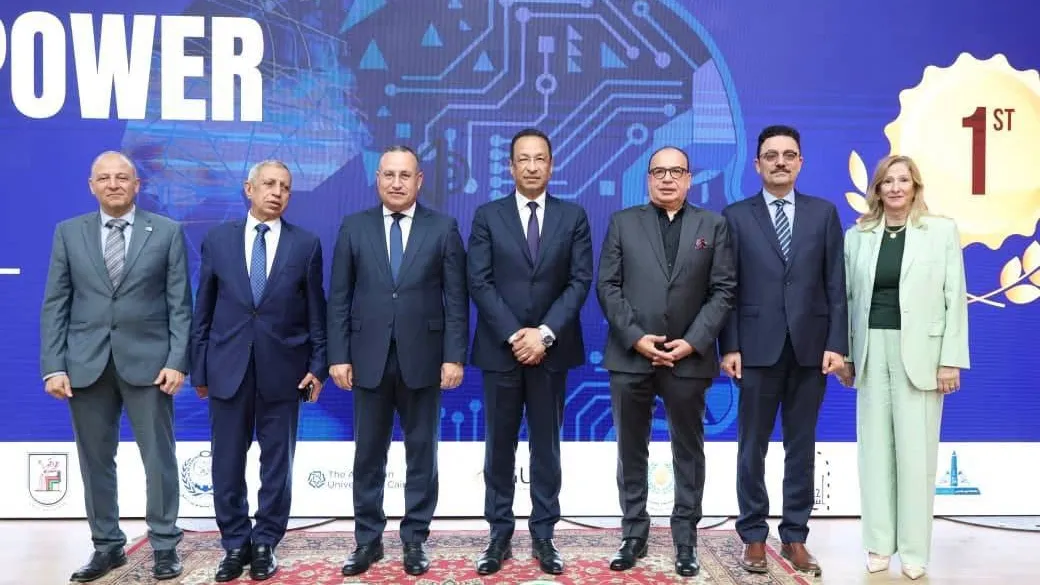
Egypt's Tech Ministry and Dell Technologies Boost AI Talent, Training 1,090 Students
Egypt's Ministry of Communications and Information Technology (MCIT) and Dell Technologies just wrapped up a big AI training program! Their initiative, in partnership with the Ministry of Higher Education, successfully trained 1,090 students and saw them complete 445 innovative AI projects, really boosting Egypt's tech talent.
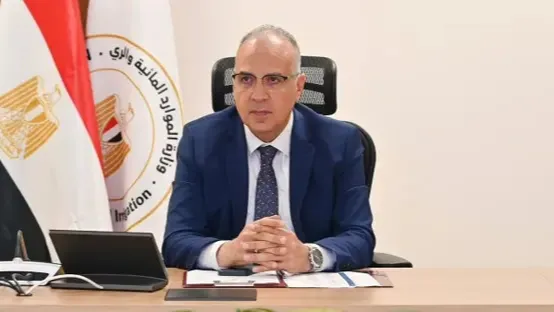
Egypt's Water Ministry Powers Up Water Management with Digital Transformation and AI
Egypt's Ministry of Water Resources and Irrigation is really stepping up its game! They're rolling out a big digital transformation plan, using cool technologies like digital twinning, AI, and telemetry. The goal? To make water management and distribution super efficient and ensure better governance.