

Excess inventory is a common headache for many brands and manufacturers, especially in furniture, home appliances, and decor. These perfectly good products often sit unsold outside traditional sales channels, even as consumers are actively looking for affordable ways to furnish their homes. This is exactly the sweet spot where the Egyptian startup 'Lookta' is making its move. They're building a digital marketplace that connects brands with their available inventory to customers who want better value when setting up their homes. Entrepreneur Lamia Taha is the brilliant mind behind Lookta's founding and its unique model. She's drawing on her rich experience in interior design, media, and entrepreneurship to truly understand what both sides of the market need. Lamia is leading the charge in developing a vision to transform sellable inventory – which often struggles to find the right path to customers – into a fresh business opportunity. This creates value for both companies and consumers at the same time. Economically, the idea is simple: give existing products a new chance to reach consumers instead of gathering dust outside the sales cycle. This helps companies recover some of their inventory's value while offering customers more choices. Lamia plays a crucial role in shaping the platform's value proposition, selecting product categories, and making the user journey super easy. She also guides the testing of this two-sided market model. Her interior design background gives her a deeper understanding of consumer behavior throughout the entire home furnishing process, not just when someone decides to buy a single item. What makes Lookta different from general e-commerce platforms is its sharp focus on the home furnishing sector. It brings together various categories like furniture, appliances, lighting, decor, textiles, storage, and outdoor products into one seamless experience. One of the model's potential strengths is how it tackles both supply and demand challenges. Brands need an extra channel to move some of their inventory, while consumers need access to clear, organized offers they can easily browse and compare, without having to jump between scattered sources. The media background of Lookta's founder also adds a significant advantage to the project. It helps simplify the concept of buying outlet and excess products for the public, presenting it in a way that highlights value and choice. This can really help build trust around these types of products. If the project successfully builds a stable base of brands and customers, Lookta could evolve from just a channel for outlet and excess products into a specialized digital marketplace for redistributing home furnishing items outside traditional sales routes. However, the model's success will always depend on its ability to strike a balance between both sides of the market: ensuring enough products and brands are available on one hand, and attracting consistent demand from customers on the other. Lookta is currently in an early testing phase, having developed a prototype that includes browsing, searching, price filtering, product pages, favorites, and a shopping cart. The next phase will focus on testing market response and the model's scalability. This stage puts the project to a major test: Can inventory that doesn't get its full chance in traditional sales channels be transformed into a digital marketplace capable of creating new value for both businesses and consumers?
Tags
Related editorial

UAE FinTech Naran Secures $10 Million to Help Gig Economy Drivers Own Vehicles
Naran, a UAE-based FinTech founded in 2025 by Paiskhalan Alekseev and Alexander Gubarev, has just raised $10 million in new funding. The company offers a unique 'lease-to-own' model, making it easier for ride-sharing and delivery drivers to own cars or motorcycles through flexible contracts lasting one to five years. This funding will fuel their expansion and help more drivers achieve vehicle ownership.
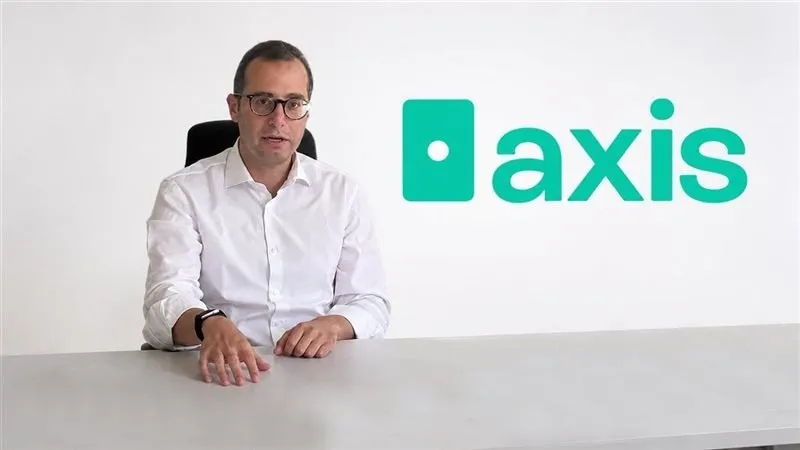
Axis Pay: An Egyptian Fintech Success Story Driving Digital Payments with Local Innovation
Axis Pay, an Egyptian fintech company founded in Cairo in April 2021, officially launched its e-wallet by late 2023. It's quickly becoming a key player in Egypt's digital payment landscape, leveraging local technology to offer innovative solutions for both individuals and businesses.

Rasmal Ventures Backs Yuno to Reshape Digital Payments in the Gulf
Rasmal Ventures sees Yuno's core strength in its ability to tackle a major challenge in the payments sector: adapting global infrastructure to meet diverse local market requirements. This strategic investment aims to boost digital payment solutions across the Gulf region, reflecting a growing interest in the region's digital payment infrastructure.

Tamara Saudi Arabia's Profit Surge: Can It Lead to Lasting Growth?
Tamara Saudi Arabia is seeing a big jump in profits, driven by its expanding financing activities. While this brings in new revenue, it also means the company's future success depends heavily on how well it manages its credit risks and collects payments. This shift raises questions about whether its rapid growth can be truly sustainable.