

Dr. Mohamed Farid, Egypt's Minister of Investment and Foreign Trade, highlighted the crucial importance of supporting export-oriented startups. He explained that this support will boost the efficiency of Egypt's export system, broaden the base of new exporters, and strengthen the national economy's ability to access new foreign markets. This discussion took place during the Minister's meeting with Eng. Adeeb Youssef Al-Aama, CEO of the International Islamic Trade Finance Corporation (ITFC). They explored ways to enhance cooperation in supporting exports, providing essential financing and insurance tools, developing the capabilities of Egyptian exporters, and empowering export-focused startups with the resources they need for growth and international expansion. The meeting also covered a comprehensive vision to modernize the export system. This involves using artificial intelligence (AI) and financial technology (FinTech) to analyze markets and identify export opportunities. The aim is to develop advanced digital tools that will help export-oriented startups improve their efficiency in reaching international markets and make more precise decisions. They also discussed how to activate the "Arab & African Trade Bridges Program," with plans to increase the involvement of export-oriented startups in developing digital solutions and smart services related to foreign trade. This builds on previous successes in organizing specialized trade missions, which helps open new markets, enhance industrial integration, and increase foreign trade flows. The Minister emphasized that developing a new generation of exporters is a strategic priority. He stressed the importance of equipping export-oriented startups with modern international trade tools, including market analysis, trade finance and insurance mechanisms, customs tariffs, and risk management for export and import operations. This will boost their competitiveness and help them secure better contract terms. He also mentioned that the Ministry is in the final stages of launching a "regulatory sandbox." This initiative aims to foster an innovative environment for export-oriented startups by providing a comprehensive database for relevant entities, linked with advanced analytical models to pinpoint export opportunities. This will be done in coordination with the Commercial Representation Office, ensuring decisions are data-driven. Dr. Farid clarified that the regulatory sandbox will serve as an integrated platform to support the development of technological solutions in foreign trade. He noted that while FinTech applications are seeing remarkable growth, export support applications still need more development, creating a significant opportunity for startups to innovate in this vital sector. Furthermore, the Minister stressed the importance of involving the private sector in supporting and financing export-oriented startups. This includes expanding training programs to build the capacities of new exporters and entrepreneurs, enhancing their readiness to access global markets, and developing innovative market analysis tools to identify priority sectors amidst global trade changes. On his part, Eng. Adeeb Youssef Al-Aama, CEO of the International Islamic Trade Finance Corporation, reaffirmed the Corporation's commitment to supporting Egypt's efforts to boost exports. He highlighted that the Corporation's programs, especially the “Arab & African Trade Bridges Program,” serve as an effective platform to connect export-oriented startups with their target markets. He explained that expanding trade missions and developing financing tools specifically for small and medium-sized enterprises (SMEs) and export-oriented startups will help open new markets and increase trade volume. He emphasized the importance of designing flexible financing programs that encourage innovation and support regional and international growth and expansion. Finally, he expressed the Corporation's eagerness to strengthen cooperation with Egypt in the coming period. This partnership aims to leverage technology and innovation to further develop the foreign trade system and open new markets for Egyptian products.
Tags
Related editorial
CompuScience: A Leading Moroccan Online Store for Tech and Computer Gear
CompuScience offers a wide range of tech products, including laptops, monitors, printers, scanners, storage devices, gaming accessories, cables, adapters, and other electronic essentials. It's your go-to for all things tech!

UAE FinTech Naran Secures $10 Million to Help Gig Economy Drivers Own Vehicles
Naran, a UAE-based FinTech founded in 2025 by Paiskhalan Alekseev and Alexander Gubarev, has just raised $10 million in new funding. The company offers a unique 'lease-to-own' model, making it easier for ride-sharing and delivery drivers to own cars or motorcycles through flexible contracts lasting one to five years. This funding will fuel their expansion and help more drivers achieve vehicle ownership.
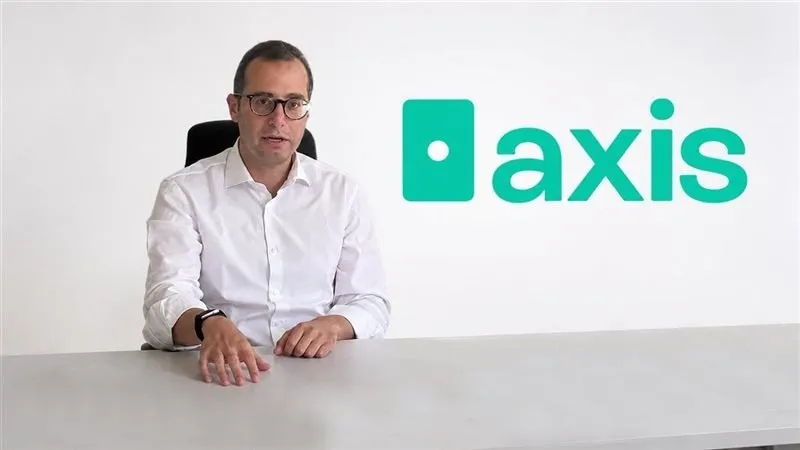
Axis Pay: An Egyptian Fintech Success Story Driving Digital Payments with Local Innovation
Axis Pay, an Egyptian fintech company founded in Cairo in April 2021, officially launched its e-wallet by late 2023. It's quickly becoming a key player in Egypt's digital payment landscape, leveraging local technology to offer innovative solutions for both individuals and businesses.

Rasmal Ventures Backs Yuno to Reshape Digital Payments in the Gulf
Rasmal Ventures sees Yuno's core strength in its ability to tackle a major challenge in the payments sector: adapting global infrastructure to meet diverse local market requirements. This strategic investment aims to boost digital payment solutions across the Gulf region, reflecting a growing interest in the region's digital payment infrastructure.