

The government is really stepping up its efforts to bring advanced medical technologies into the healthcare system. They have a plan to introduce robotic surgery to public hospitals, and at the same time, they're setting up a special center to train medical staff. This will help improve the quality of medical services and keep pace with global advancements in medical technology. In line with this, Dr. Khaled Abdel Ghaffar, who is both the Deputy Prime Minister for Human Development and the Minister of Health and Population, met with representatives from TechnoWave and MedBot. They discussed how to get surgical robot technology up and running in Egypt. They also talked about creating a dedicated training center for medical teams to learn how to use this tech, all as part of a strategy to bring modern medical technology into the country and make it widely available within the health sector. The Minister emphasized that the Ministry of Health is prioritizing the adoption of advanced medical technologies, especially robotic surgery. This is because it offers much higher precision during operations, which means fewer errors and complications, increased patient safety, and better surgical outcomes. He stressed that investing in training and qualifying medical staff is key to getting the most out of this technology, ensuring it meets the highest scientific and professional standards. This approach shows a real shift in the healthcare sector's development strategy. It's moving beyond just providing modern equipment to building a complete system that includes knowledge transfer, continuous training, and skill development. This will ensure that advanced technologies can be used sustainably and will boost the ability of public hospitals to offer treatments based on the latest global medical innovations. Dr. Hossam Abdel Ghaffar, the official spokesperson for the Ministry of Health and Population, explained that during the meeting, Princess Fatma Academy for Professional Medical Education was chosen as the location for the specialized training center for surgical robot use. This is because the academy has the facilities and resources to host advanced training programs. He noted that the center will offer programs combining theoretical study, practical application, and simulation, which will help prepare medical professionals to use this technology according to the latest global practices. He added that the initial phase of the training programs will focus on specialties that benefit most from robotic surgery. These include urology, obstetrics and gynecology, general surgery, and cardiac and thoracic surgery. This focus will help improve surgical performance, allow for precise operations with higher safety rates, reduce complications, and speed up patient recovery times. He also mentioned that the Minister of Health has directed that a comprehensive study for establishing the center be completed quickly. This study will cover technical, legal, administrative, and financial aspects, paving the way for the necessary implementation steps. Additionally, the Minister called for a site visit to Princess Fatma Academy for Professional Medical Education to inspect the proposed location and choose the most suitable spot for the center. The meeting also discussed operating the first surgical robot at Nasser Institute Hospital as a first step. This will set the stage for expanding robotic surgery to several major hospitals across the country. This move will boost the efficiency of health services, improve the quality of care for citizens, and solidify Egypt's position as a regional hub for training medical professionals and implementing modern therapeutic technologies.
Tags
Related editorial
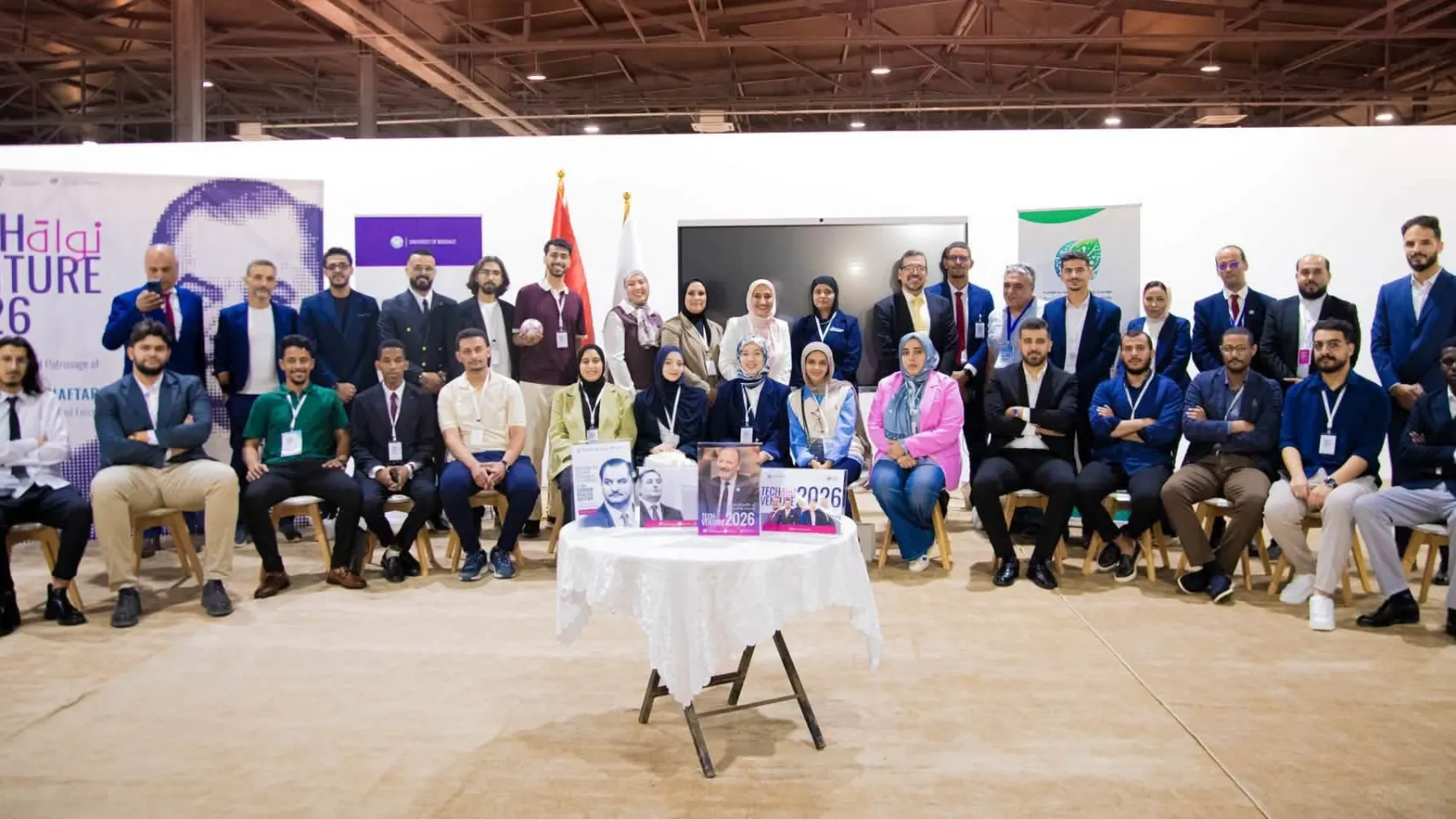
Nawa | Tech Venture 2026 Crowns Libya's Top 5 Tech Startups
The Nawa | Tech Venture 2026 competition saw fierce competition among over 600 projects from across Libya. Judges highlighted the exceptional quality of the finalists, making the selection of the top five tech startups a truly challenging and exciting decision.

Libya Digital Forum 2026 Spotlights Digital Transformation in Oil, Health, and Education
Get ready! The Libya Digital Forum 2026 is adding an exciting new focus on digital transformation. This special track will highlight real-world experiences and innovative solutions in vital sectors like oil, health, and education. It's all about boosting services, improving efficiency, and driving innovation to help achieve sustainable development across Libya.

Khalifa Fund and Hub71 Champion 17 Startups, Announce Top Winners in Abu Dhabi
Abu Dhabi's Khalifa Fund and Hub71 recently hosted a demo day for their Mazn Hub71 program, celebrating 17 promising Emirati startups. This initiative is all about empowering early-stage entrepreneurs to build innovative businesses in key sectors, driving economic growth and diversification in the emirate. The event showcased incredible talent, with three standout startups receiving special recognition and support.

Zident Medical Boosts Local Production of Medical Devices in Egypt
Zident Medical is making great strides in Egypt by successfully manufacturing medical devices that used to be fully imported. This includes a special simulator for oral and dental medicine colleges, marking a significant step towards bringing advanced medical technology home and reducing reliance on foreign products.