

Recent data highlights a clear gap between the excellent credit performance of women-owned small and medium-sized enterprises (SMEs) and the amount of funding they actually receive. At the same time, international financial institutions confirm that these businesses represent one of the lowest-risk and most reliable categories for financing. This really opens the door for banks to rethink their credit strategies for this vital sector. In this context, the Cabinet Information and Decision Support Center (IDSC) reviewed a report from the International Finance Corporation (IFC), part of the World Bank Group. This report looked into the reality of financing women-owned SMEs in emerging markets. It pointed out that actual performance indicators completely disprove traditional assumptions that categorize women as higher risk when granting loans. Instead, the report confirms that these businesses are actually high-quality banking assets. The report explained that an analysis of ten years of accumulated data from financial institutions working with the IFC showed vast, untapped investment and financing opportunities. This is despite the growing role that women-owned businesses play in boosting economic growth, enhancing productive activity, and creating added value for both financial institutions and the communities they operate in. The report was based on data collected and analyzed from 153 financial institutions across emerging markets. This data consistently showed that loan portfolios directed towards women-owned SMEs performed better than general SME financing portfolios, both in terms of asset quality and lower risk levels. Data from 2024 revealed that the non-performing loan (NPL) rate for women-owned SMEs was 3.6%, compared to 3.8% for the overall SME loan portfolio. This clearly reflects higher repayment commitment and shows that this positive trend has remained stable over the past decade. Despite these encouraging indicators, the report emphasized that the funding gap remains the biggest challenge for this sector. In 2024, women-owned businesses only secured 19% of the dollar value of existing SME loan portfolios and just 27% of the total number of loans granted, according to data from 184 financial institutions working with the IFC. Furthermore, the average value of loans given to them is about 28% lower compared to the average for SMEs in general. The report also highlighted ongoing geographical disparities in the amount of funding directed to these businesses. For instance, women-owned businesses accounted for about one-third of the total value of SME loans at 41 financial institutions in Asia during 2024. However, this percentage dropped to only 9% at 27 financial institutions in the Middle East and Central Asia region, which points to varying adoption rates of targeted financing strategies among financial institutions. The report noted that developing accurate, gender-disaggregated databases has become a key driver for expanding financing to women-owned businesses. It explained that the IFC's "Banking on Women" program has been running a multi-year advisory program since 2023 to support 90 financial institutions in building their capacity to collect, analyze, and use data to improve lending decisions. It clarified that when banks have more precise data about the needs of women entrepreneurs, it helps them design more suitable financial products and services. This, in turn, helps expand their customer base, improve the efficiency of their credit portfolios, and ultimately reduce the gender funding gap. Moreover, the report underscored that the success of financial institutions in increasing funding for women is closely linked to having a specialized banking strategy. A remarkable 75% of institutions that collaborated with the "Banking on Women" program and adopted a clear strategy for financing women-owned businesses saw growth in the share of these loans within their credit portfolios. This is a significant difference compared to only 48% of institutions that did not adopt a similar strategy. Ultimately, the report reflects a shift in how we view financing for women-owned businesses. It's no longer seen just as a tool for financial inclusion, but rather as a genuine banking opportunity that balances reducing risks, improving asset quality, and expanding the customer base. This approach supports the sustainable growth of both financial institutions and emerging economies.
Related editorial
ALX Enterprise Urges Businesses: Re-skill Your Workforce for the AI Era
ALX Enterprise is making a clear point: for businesses to truly succeed with AI, the focus needs to be on re-skilling their teams and developing strong leaders. They argue that investing in people, not just technology, is the real key to a successful AI transformation.

Saudi AI Startup Ryme Raises Over $2 Million to Power Smart Operations
Ryme, a Saudi AI company, has successfully closed a seed funding round exceeding $2 million. This latest investment, led by Sidra Ventures, highlights continued investor confidence in Ryme's impressive operational expansion and the widespread adoption of its innovative AI solutions for real-world business environments.
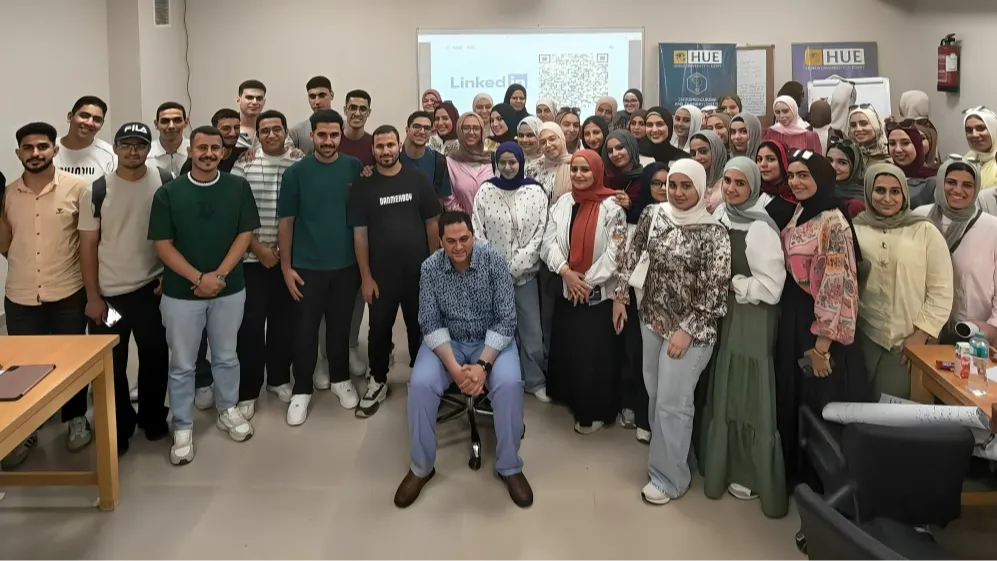
Horus University and TIEC Partner to Empower Future Entrepreneurs with InnovEgypt
InnovEgypt is a leading national program dedicated to fostering innovation and entrepreneurship. It's all about helping participants take their creative ideas and turn them into successful, sustainable business ventures.

Startup Showcase: Helping Startups Boost Visibility and Positioning on StartupHub.Today
Hey there! Startup Showcase is a cool new program designed to help startups really get their digital presence in order. It's all about making sure they're clearly positioned and easy to find within the StartupHub.Today community.