

Dr. Ramy Khodeir, a Marketing Professor at Egypt International University and a Marketing Strategy Consultant, has sparked a wide discussion about the state of the Egyptian real estate market. He's been critical of current pricing practices, warning of their long-term economic and social consequences, especially after recent debates involving several real estate leaders over the past few months. Khodeir shared a detailed post on his official Facebook page, explaining that he's been following the real estate market discussions for the past six months. He mentioned that he's re-presenting his views after Eng. Abdullah Sallam responded to analyses Khodeir had presented during his appearance on the Business With Mo podcast earlier this year. Khodeir emphasized that his goal is to offer an economic and analytical perspective, free from personal bias. He believes that justifying continuous real estate price hikes as a natural reflection of inflation and rising construction costs doesn't tell the whole story. He argues that many developers base their pricing on inflationary expectations stretching years into the future, which, in his view, leads to what he calls “speculative pricing,” rather than just hedging against rising costs. Khodeir added that the demand seen in the market over recent years wasn't driven by genuine confidence but rather by a sense of anxiety among buyers. He considers relying on what he termed “consumer panic” as a sales model to be an unsustainable foundation for the sector's growth. He pointed out that the secondary market is suffering from a lack of liquidity. He explained that a high book value for units doesn't necessarily mean they're easy to resell, given the decline in purchasing power. This, in turn, affects exit opportunities for both investors and individuals. He also criticized the direct link between population growth and strong real estate demand, clarifying that demographic need is different from actual demand backed by purchasing power. He estimated that a widening gap between income levels and prices could lead to a market correction. Khodeir also discussed how some companies rely on long-term installment plans as a primary source of funding. He believes this mechanism creates what he calls “hidden leverage,” which could increase risks if payment defaults rise, especially in the absence of regulatory frameworks similar to those applied in the banking sector. Khodeir distinguished between “Profiting” (achieving a fair profit margin for real value provided by the developer) and “Profiteering” (exploiting anxiety and speculation to achieve gains that don't reflect actual cost or economic value). He also called for strengthening regulatory and oversight frameworks within the real estate market. He urged a study into issuing legislation that would curb practices potentially harmful to consumers or detrimental to the sector's sustainability. He stressed that building trust with customers and adopting more sustainable business models will be the decisive factor for companies to thrive in the coming period. Khodeir concluded his post by affirming that his views represent an analytical perspective based on his reading of market indicators. He stated that the goal is to raise awareness among investors, consumers, and decision-makers, advocating for an objective discussion of the challenges facing the sector, free from propaganda or downplaying potential risks.
Related editorial
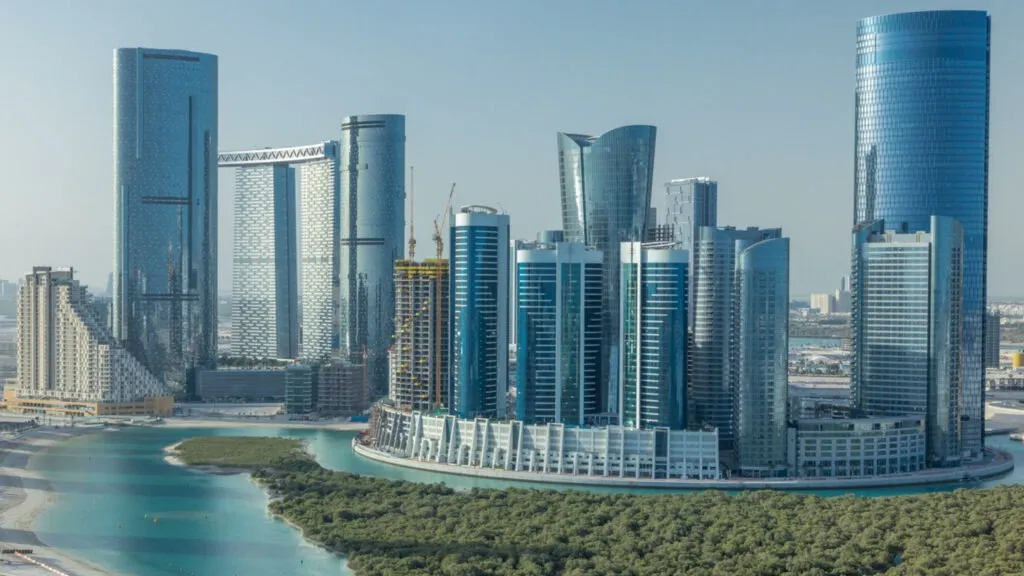
UAE Investment Choice: Real Estate or Developer Stocks as New Supply Nears?
Considering investments in the UAE? This brief compares buying physical properties with investing in real estate developer stocks, highlighting their unique returns, risks, and liquidity. It reminds us that smart timing is always the most crucial factor for success.

Digital Libya Forum 2026 Puts Sustainable Development and Digital Transformation on the Agenda
Get ready for the Digital Libya Forum 2026! Attendees will explore the newest ideas and real-world experiences in sustainable development and strategic planning. They'll discuss how these topics are key to driving digital transformation and creating smart policies for Libya's future.
Solutions Company Achieves Strong Growth in Revenue and Profit for H1 2026, Despite Rising Costs
Solutions Company had a fantastic first half of 2026, with revenues soaring to SAR 6.243 billion! That's a solid 9% jump compared to the SAR 5.725 billion they made in the same period last year, showing great momentum in the Saudi telecom and IT market.
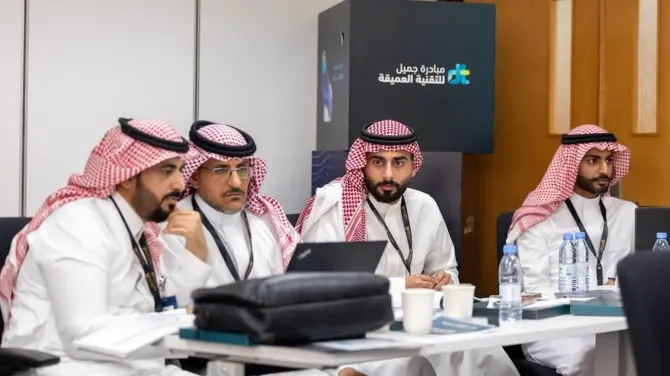
Jameel Advanced Technology Backs 10 Saudi Startups to Bring Research to Market
Great news! Jameel Advanced Technology has just selected 10 promising Saudi startups to move forward in its venture-building program. The goal? To help these innovative companies turn their amazing research ideas into real-world business solutions, giving a big boost to Saudi Arabia's deep tech scene.