

Google, an Alphabet company, has paused its AI image generation feature within the Google Earth app just one day after launching it. This decision came after users shared images that appeared to violate the company's policies. It's a move that highlights the growing challenges tech companies face in balancing rapid innovation with controlling how AI tools are used. The feature relied on the Nano Banana 2 AI model and allowed users to create realistic images of any location worldwide. It did this by using satellite imagery, aerial photos, and 3D models available in Google Earth, all through simple text prompts. This opened up many possibilities for applications in planning, design, and geographic data analysis. Google explained that while it observed professional uses of the feature by geospatial data specialists, the circulation of generated images that seemed to violate usage policies prompted them to temporarily suspend the service. They plan to enhance their protection and monitoring tools to prevent misuse. Concerns about misinformation and fake content quickly emerged. Since its launch, the tool sparked worries about its potential to create fake scenes over real images of famous landmarks and and locations. This could contribute to spreading misleading information or inaccurate content, adding to the challenges of trusting AI-generated content. The company confirmed that the generated images did not appear within the core Google Earth experience and were watermarked to indicate they were AI-produced. However, Google did not disclose the specific nature of the images it deemed to be in violation of its usage policies. This decision reflects the increasing pressure on major tech companies as they integrate AI technologies into their products. They are now expected to develop more effective tools to curb misuse, protect privacy, and combat the spread of misinformation. This often leads them to modify, restrict, or even suspend certain features shortly after launch. In a similar vein, Meta had previously halted its Muse Image feature last July. This feature allowed users to create images based on public Instagram accounts but faced widespread criticism over privacy concerns, including objections from a Hollywood union.
Related editorial
eYouth Shines Globally, Named Among Top 25 EdTech Startups Worldwide!
Hey there! We've got some exciting news from the EdTech world. eYouth, a fantastic company, has just made a big splash internationally! They've been recognized as one of the top 25 startups globally in a major EdTech award, showing off their growing presence and innovative solutions in education technology.

Egypt Steps Up as Arab Tech Leader, Chairing Key AI and Quantum Computing Teams
Egypt's new leadership role is set to boost collaboration across the Arab world in AI and emerging technologies. The committee aims to drive digital transformation and build a knowledge-based economy that thrives on innovation and advanced tech, helping the region move forward together.

Libya Digital Forum 2026: Boosting the Nation's Digital Future
The Libya Digital Forum 2026 recently wrapped up, diving deep into critical topics like cybersecurity, data protection, and the latest AI applications across various sectors. It also explored smart cities, sustainability, and how to foster startups, innovation, and entrepreneurship, all geared towards accelerating Libya's digital transformation and economic growth.
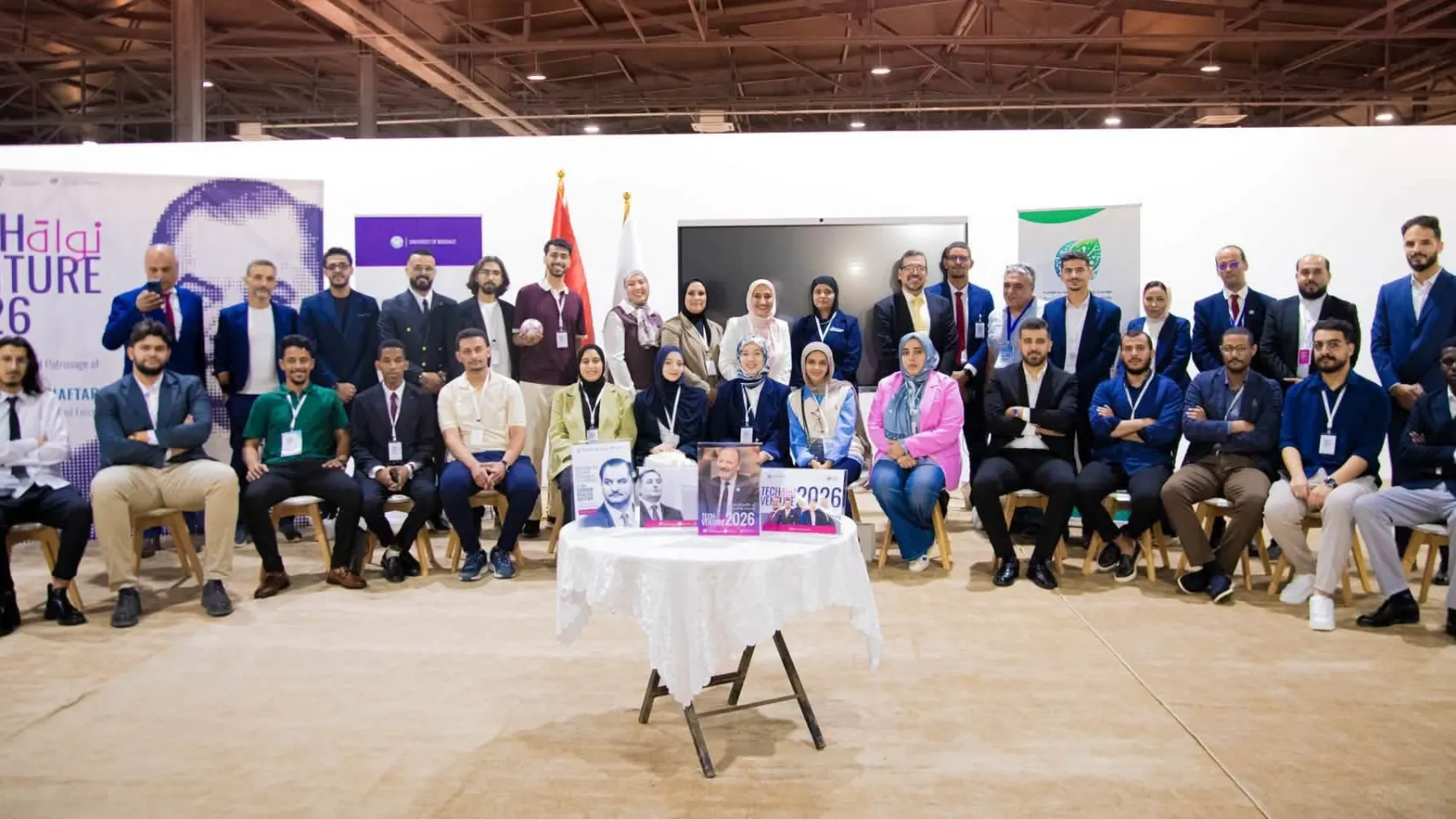
Nawa | Tech Venture 2026 Crowns Libya's Top 5 Tech Startups
The Nawa | Tech Venture 2026 competition saw fierce competition among over 600 projects from across Libya. Judges highlighted the exceptional quality of the finalists, making the selection of the top five tech startups a truly challenging and exciting decision.