
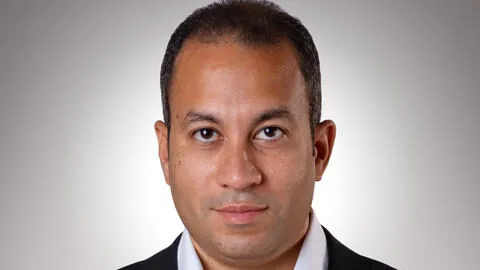
CIRA Education's growth over more than three decades wasn't just about traditional expansion. Instead, it was driven by a series of smart strategic decisions: reinvesting profits, expanding beyond traditional markets, and establishing long-term financing partnerships. These moves transformed the company into one of the leading educational institutions in Egypt and the wider region. Mohamed El Kalla, CEO of CIRA Education, emphasized that the company's journey since its founding in 1992 isn't merely a success story for an educational firm. Rather, it's an experience built on a long-term vision aimed at creating a sustainable educational system that delivers economic and social impact both within and outside Egypt. During a video discussion with MIT, El Kalla explained that the company was founded by a group of friends who believed that investing in education is the true engine of development. At the time, Egypt's private education sector was limited, with schools often relying on affiliations or geographical location more than the quality of education. This prompted the founders to adopt a different model focused on quality and innovation. He noted that he joined the company in 2009 after working as a development expert at the United Nations. Back then, CIRA owned a limited number of schools, but the vision was to build an educational institution capable of expanding within Egypt and then venturing into regional and African markets. He clarified that the first strategic decision that marked a turning point for the company was to fully reinvest all profits back into the company instead of distributing them to shareholders. This provided the necessary funding to establish new schools and accelerate the pace of growth. He said, "We decided not to spend our profits, but to reinvest them entirely into building new schools because we believed that the company's value would multiply with its increasing size and impact, not by distributing profits in the early stages." He added that this investment policy enabled CIRA to transition from managing a single school to a network of about ten schools in a short period, at a time when most competitors managed only two or three schools. This gave the company a clear competitive advantage. He pointed out that the second strategic decision was to expand beyond Cairo and Alexandria, not just sticking to traditional markets. The company focused on governorates that suffered from a lack of educational services, despite the higher risk compared to major cities. He affirmed that this approach stemmed from a conviction that the demand for quality education exists throughout Egypt, not just in the capital. This helped the company achieve strong growth rates while providing high-quality educational services to areas that previously lacked educational institutions. El Kalla explained that implementing these plans required long-term funding sources. Therefore, the company worked to build partnerships with international financing and development institutions, most notably the International Finance Corporation (IFC) of the World Bank Group and the European Bank for Reconstruction and Development (EBRD). These organizations contributed to financing the establishment of new schools and universities and supported expansion plans. He emphasized that these partnerships weren't limited to providing funding; they also contributed to transferring global expertise in governance, management, and sustainable expansion. This strengthened CIRA's ability to continue growing and solidify its position as one of the leading educational institutions in the region.
Related editorial
Mizaniti App Enters Egypt's Personal Finance Market, Sparking New FinTech Competition
Get ready for a new player in Egypt's FinTech scene! The Mizaniti app is making a big bet on the growing personal financial management market. It offers easy-to-use digital tools to help you track your spending and get better at financial planning, aiming to empower users across Egypt.
Paymob Powers Jaywan Network Expansion, Boosting Digital Payments in UAE
Paymob is teaming up with the UAE's national Jaywan card network. This partnership will allow businesses to accept Jaywan cards both online and in stores, making digital payments easier and more widespread across the Emirates.
IDB Offers Free Bank Accounts to Drive Financial Inclusion Until August 15, 2026
The Industrial Development Bank (IDB) is making banking more accessible by offering free accounts with no minimum balance required. This initiative, available until August 15, 2026, is part of a wider push for financial inclusion, aiming to help more people access essential banking services.

UAE's Bundle Raises $5.5M to Transform Customer Rewards with New Global Web3 Platform
UAE-based Web3 rewards startup, Bundle, has just launched its first global shared rewards platform! This exciting move comes after they successfully closed a $5.5 million Pre-Seed funding round.